
WHERE TO
FIND US
Coffee cup
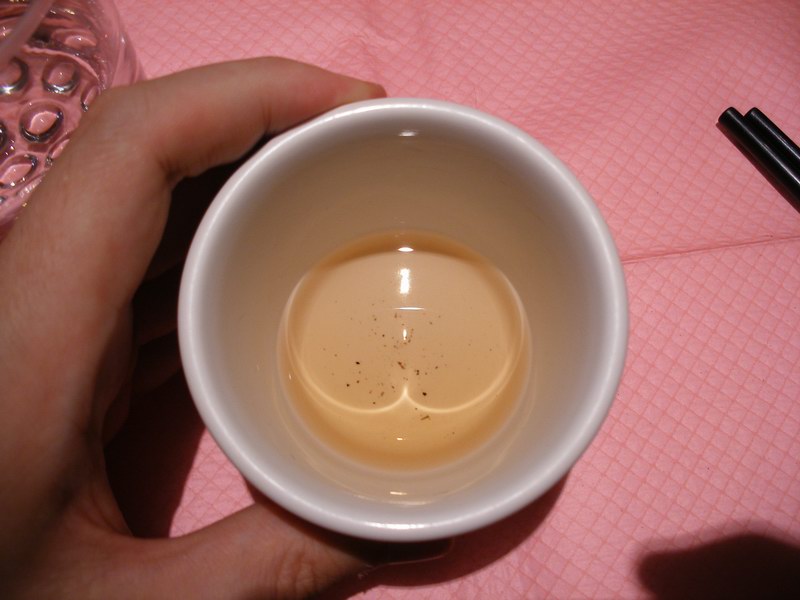
You can sometimes find us in your coffee cup. This is because the light rays reflect off the sides of the cup creating the cardioid shape.
Engineers & Physicists
Engineers and physicists like to use us when they are doing things with circles or circular motion. Those equations can become very complex and clunky when they are working in cartesian coordinates so we simplify things a little.
NAVIGATION
You can see a similar version of polar coordinates in navigation.
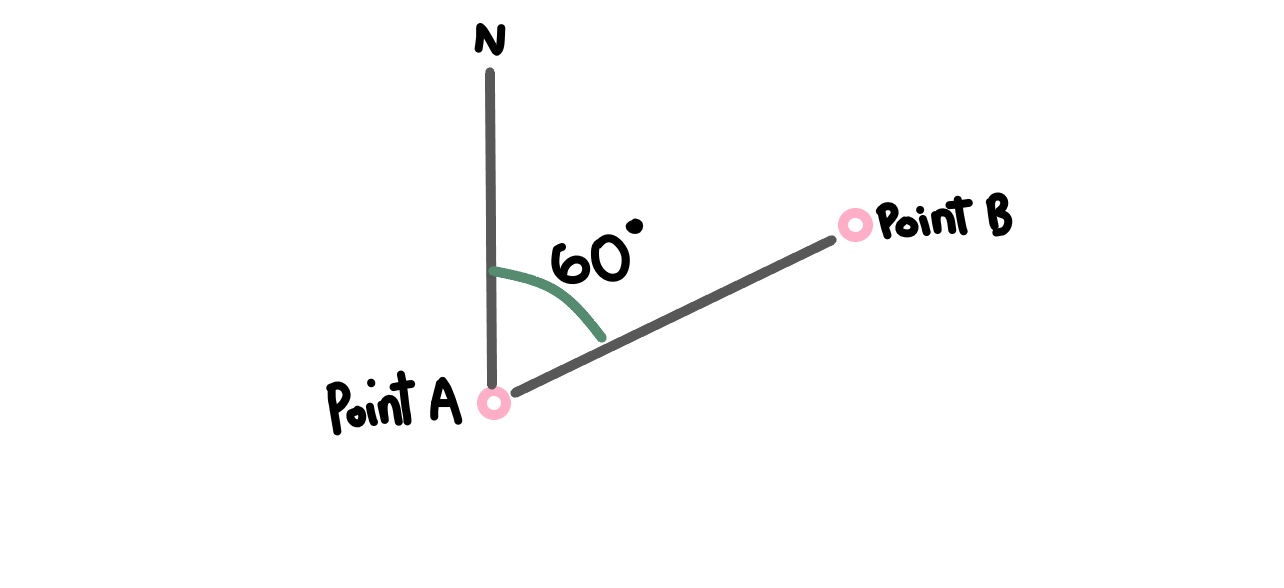
Bearings use the same idea as polar coordinates, but the angle is measured anti-clockwise from North. In this diagram, we say that Point B has a bearing of 60 degrees from Point A.
microphones
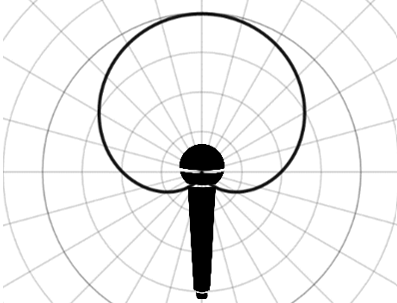
We are used to model the sensitivity of different microphones and transmission or radiation pattern of radio antennas. A cardioid microphone picks up the most sound from directly in front and from the sides of the mic. This can be plotted on a polar grid. These types of microphones are the most commonly used since they limit background noise.
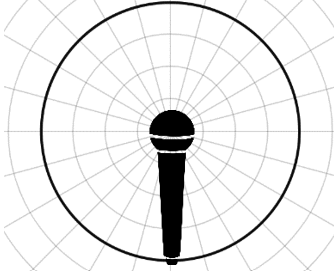
An omni-directional microphone, as the name suggests, is equally sensitive from any angle. This means it works well if sound is wanted from different sides of the microphone such as in a musical production or outside where it does not specifically focus on the wind like a cardioid mic might.
Coffee cup
You can sometimes find us in your coffee cup. This is because the light rays reflect off the sides of the cup creating the cardioid shape.
Engineers & Physicists
Engineers and physicists like to use us when they are doing things with circles or circular motion. Those equations can become very complex and clunky when they are working in cartesian coordinates so we simplify things a little.
NAVIGATION
You can see a similar version of polar coordinates in navigation.
Bearings use the same idea as polar coordinates, but the angle is measured anti-clockwise from North. In this diagram, we say that Point B has a bearing of 60 degrees from Point A.
microphones
We are used to model the sensitivity of different microphones and transmission or radiation pattern of radio antennas. A cardioid microphone picks up the most sound from directly in front and from the sides of the mic. This can be plotted on a polar grid. These types of microphones are the most commonly used since they limit background noise.
An omni-directional microphone, as the name suggests, is equally sensitive from any angle. This means it works well if sound is wanted from different sides of the microphone such as in a musical production or outside where it does not specifically focus on the wind like a cardioid mic might.